The Art and Precision of Circle Applique Machine Embroidery: A Comprehensive Guide to Shapes, Monograms, and Shield Designs
In the vibrant world of custom apparel and textile arts, few techniques capture attention quite like circle applique embroidery design. Whether you are a seasoned hobbyist looking to elevate your home sewing projects or a small business owner aiming to create premium branded merchandise, understanding the nuances of machine embroidery is crucial. This guide explores the intricacies of circle-based embroidery patterns, including circle shield embroidery, circle monogram shapes, and specialized designs such as the Circle Monogram Applique 259.
It is essential to clarify upfront that this content pertains strictly to digital embroidery files. These are not physical patches, iron-ons, or finished products you can wear immediately. Instead, they are sophisticated digital instructions—machine-readable code—that require an embroidery machine to bring to life. To utilize these files effectively, you must possess both the hardware (an embroidery machine) and the software necessary to transfer the design from your computer to the device.
Understanding the Basics: What Is Applique in Embroidery?
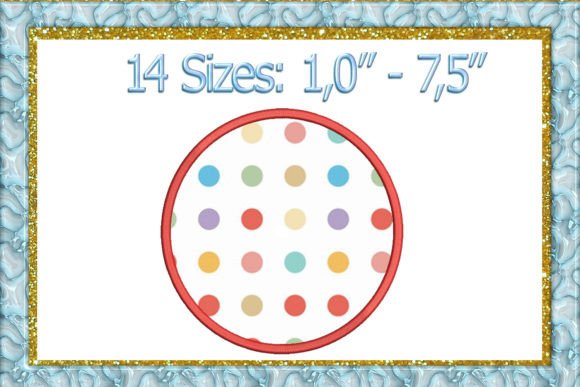
Applique, derived from the French word meaning "to apply," is a decorative technique where one piece of fabric is sewn onto another. In the context of circle applique machine embroidery design, this involves stitching a circular base layer onto a garment, followed by a top layer that often features cut-out sections or intricate detailing. The result is a textured, dimensional look that stands out against flat screen printing or standard embroidery stitches.
The appeal of the circle lies in its geometric perfection and versatility. Circles are universally recognized symbols of unity, wholeness, and focus. When translated into embroidery, they provide a clean frame for logos, initials, or thematic icons. Unlike complex free-form shapes, circles offer a structured boundary that helps maintain symmetry, making them ideal for beginners while still offering enough depth for advanced designers.
The Significance of Circle Monogram Shapes
One of the most popular applications of circular embroidery is the circle monogram. Monograms have long been associated with personalization and exclusivity. By placing initials within a circle, creators achieve a balanced composition that draws the eye directly to the center. This format is particularly effective for:
- Corporate Branding: Creating a cohesive logo identity on polo shirts and caps.
- Personal Gifts: Customizing baby clothes, towels, or tote bags with family initials.
- Sports Teams: Designing unified emblems that represent team spirit.
A specific example of this trend is the Circle Monogram Applique 259. This particular design leverages the applique technique to create a bold, layered look. The "259" designation often refers to a specific file ID or pattern variation within a designer's catalog, indicating a unique arrangement of fonts, borders, or inner graphics that distinguish it from other monogram templates.
Technical Requirements: Bridging Digital Files and Physical Fabric
Since we are dealing with digital machine files, the transition from screen to fabric requires careful preparation. The quality of the final stitch-out depends heavily on the equipment and materials used. Here is what you need to know before starting your project.
Essential Equipment and Software
To embroider these patterns, you need:
- An Embroidery Machine: Ensure your machine supports the file format provided (commonly .pes, .dst, .exp, or .jef).
- Transfer Software: You will need software on your computer to edit, resize, or simply send the file to the machine via USB or direct connection.
- Stabilizers: These are critical for preventing fabric distortion during high-speed stitching.
- Quality Thread and Needles: Using the wrong needle can lead to skipped stitches or fabric damage.
Selecting the Right Stabilizer Strategy
The choice of stabilizer is perhaps the most technical aspect of achieving professional results. For general fabrics, a tear-away stabilizer might suffice. However, when working with delicate materials, the approach changes significantly.
Special Consideration for Fine-Knit Fabrics: If you are embroidering on T-shirts, jersey knits, or children’s overalls, standard methods may cause puckering or holes. For these fine-knit fabrics, a multi-layered stabilizer strategy is recommended:
- Back Layer: Use a sticky (adhesive) stabilizer placed on the back of the fabric. This anchors the material firmly to the hoop, preventing movement.
- Top Layer: Apply a tear-away or water-soluble stabilizer on the inside (top side) of the fabric. This provides support during the stitching process.
- External Support: For designs involving fine lines, dense fonts, or intricate circle shield embroidery details, consider adding a flush-away stabilizer on the outside of the fabric. This extra layer ensures that thin stitches remain crisp and do not sink into the knit.
Additionally, using a thinner gauge knitting needle (such as a size 70/10 or 75/11 Microtex) can prevent large needle holes from appearing in the fabric, preserving the integrity of the garment.
Exploring Specific Design Types: Shields and Complex Shapes
While basic circles are straightforward, some designs incorporate more complex geometries, such as the circle shield embroidery style. A shield shape within a circle often implies heritage, strength, or academic prestige. These designs typically feature thicker border stitches and may include internal graphic elements like stars, stripes, or crests.
The Circle Monogram Applique 259 likely falls into this category of detailed work. Applique designs require precise hooping and often multiple color changes. The machine first lays down the base circle, cuts the excess fabric (if using a cutter-equipped machine), and then stitches the top layer. Finally, it adds the monogram text or graphic on top. This layering process creates a rich texture that flat embroidery cannot replicate.
Why Choose Applique Over Standard Embroidery?
Readers often ask why one should choose applique when standard satin stitches are faster. The answer lies in aesthetics and fabric conservation. Applique uses less thread tension on the fabric itself because the bulk of the design is made of fabric pieces rather than dense stitching. This makes it superior for delicate items where heavy stitching could cause warping. Furthermore, the visual contrast between the base fabric and the applique fabric adds a premium feel that customers appreciate in retail environments.
Best Practices for Successful Stitch-Outs
To ensure your circle applique embroidery design turns out perfectly, follow these best practices:
- Test First: Always run a test stitch on a scrap piece of the same fabric. This allows you to adjust tension and stabilizer choices without risking your final product.
- Check File Compatibility: Verify that the design file matches your machine’s brand and model. Some machines have proprietary formats that require conversion software.
- Pre-Wash Fabrics: Cotton and natural fibers can shrink. Pre-washing your garments prevents post-production distortion after the embroidery is complete.
- Trim Excess Stabilizer: After stitching, carefully remove any remaining stabilizer. For sticky stabilizers, use a lint roller or gentle brushing to avoid leaving residue on the garment.
Conclusion: Elevating Your Creative Projects
Mastering circle applique machine embroidery design opens up a world of creative possibilities. From personalized gifts to high-end commercial branding, the ability to produce durable, textured, and visually striking designs is a valuable skill. By understanding the technical requirements—such as the need for appropriate stabilizers, needles, and software—you can avoid common pitfalls and achieve professional-grade results.
Whether you are drawn to the simplicity of a classic circle monogram shape or the complexity of a circle shield embroidery layout, remember that the key to success lies in preparation. Treat the digital file with respect, choose your materials wisely, and take advantage of the detailed instructions provided with each design, such as the Circle Monogram Applique 259. With patience and precision, your embroidery machine can transform simple fabrics into works of art.
For those new to the craft, start with sturdy cotton blends before moving to fine knits. As you gain confidence, experiment with different thread colors and fabric combinations to find your unique style. The world of machine embroidery is vast, but by focusing on foundational techniques like applique and proper stabilization, you lay the groundwork for endless creativity.