Mastering the Art of Tiny Details: A Guide to HEART Embroidery Design Files
In the world of custom apparel and textile decoration, small details often make the biggest impact. While large, bold logos grab attention, it is frequently the subtle, intricate elements that elevate a design from ordinary to exquisite. This is where specialized digital assets come into play. Specifically, designers and hobbyists alike are increasingly turning to high-quality HEART Embroidery Design files to add a touch of romance, affection, or minimalist elegance to their projects. Whether you are creating personalized gifts for Valentine’s Day, designing baby clothes, or adding a unique flair to home decor, understanding how to effectively use these digital patterns is essential for achieving professional results.
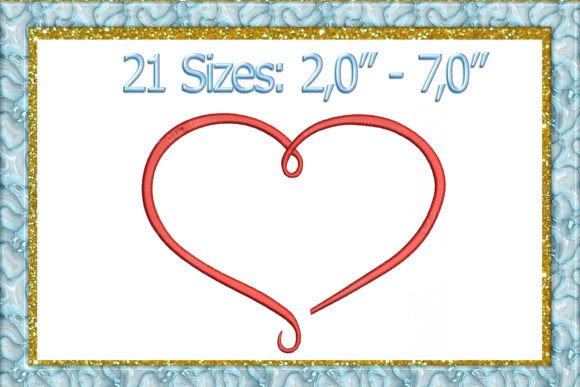
The specific file referenced in this guide, identified by the code 729, represents a versatile collection of tiny hearts and filled heart patterns. It is not merely a single image but a comprehensive package designed to work seamlessly with a wide array of modern embroidery machines. By providing multiple format options, including PES, DST, EXP, HUS, JEF, VP3, VIP, and SEW, this resource ensures compatibility across major brands such as Brother, Tajima, Melco, Husqvarna Viking, Janome, Elna, and Kenmore. This broad support means that regardless of your equipment, you can integrate these delicate designs into your workflow without technical barriers.
Understanding Digital Embroidery Formats
Before diving into the stitching process, it is crucial to understand what you are purchasing. The term "HEART Embroidery Design mini Heart love embroidery design" refers to a machine-readable instruction set, not a physical patch or fabric swatch. These files contain the precise coordinates, stitch types, and color changes required for an embroidery machine to execute the pattern. Because different manufacturers use proprietary coding languages, the inclusion of nine distinct formats in one download is a significant advantage.
For instance, if you own a Brother or Babylock machine, you will utilize the PES file. Users of Tajima industrial or commercial units will rely on the DST format, while Melco owners need the EXP file. Similarly, Husqvarna and Viking users should select the HUS or VP3/VIP files depending on their software interface, and Janome or Elna owners will find the JEF or SEW files most compatible. Having all these variations available eliminates the guesswork and potential extra costs associated with converting files using third-party software. It allows for immediate usability, saving time and ensuring that the original designer’s intent is preserved during the transfer from computer to machine.
Selecting the Right Materials for Fine Work
One of the greatest challenges in embroidery is working with fine details. Tiny hearts and thin lines require precision that standard setups might not provide. To achieve the high-quality stitching promised by premium HEART Embroidery Design files, material selection is just as important as the design itself. The foundation of any successful embroidery project lies in the stabilizer choice. Without proper support, fabrics can pucker, shift, or tear under the tension of the needle and thread.
For delicate fabrics like fine-knit T-shirts or soft children’s overalls, a multi-layered stabilizing approach is highly recommended. Start with a tear-away stabilizer placed on the back of the fabric. This provides temporary structure during stitching and can be removed afterward. However, for the finest lines and fonts, relying solely on tear-away may not be enough. Many experts recommend adding a water-soluble (flushing) stabilizer on the outside of the fabric. This layer supports the top stitches, preventing them from sinking into the knit, and dissolves completely after the project is finished, leaving no residue behind.
Additionally, the choice of needle plays a pivotal role in preserving the integrity of the fabric. Using a thinner gauge needle helps prevent holes from appearing in stretchy or lightweight materials. When stitching tiny hearts, especially those with tight curves or small filled areas, a sharp microtex needle can ensure clean entry and exit points, reducing the risk of fabric distortion. Pairing these tools with high-quality polyester or rayon threads will further enhance the visual appeal, allowing the vibrant colors of the heart patterns to pop against the background fabric.
Creative Applications and Modern Workflow Integration
The versatility of the HEART Embroidery Design extends far beyond simple romantic gestures. In modern crafting workflows, these tiny patterns are being used in innovative ways. For example, designers are incorporating clusters of mini hearts into monograms, creating textured backgrounds for name embroidery, or using them as accents on denim jackets and tote bags. The ability to scale and place these designs freely via embroidery software allows for endless customization.
Consider the growing market for personalized baby items. Parents often seek out gentle, non-intrusive designs for onesies and bibs. The "tiny Hearts Pattern" fits perfectly here, offering a sweet aesthetic without overwhelming the garment. Similarly, in corporate gifting, companies might use subtle heart motifs to add a personal touch to employee appreciation kits or holiday gifts, demonstrating care through detail rather than size. The efficiency of having pre-digitized files means that businesses can fulfill these orders quickly, scaling production without sacrificing quality.
Technical Considerations for Optimal Results
To fully leverage the capabilities of the HEART Embroidery Design, users must pay attention to digitization nuances. Filled heart designs, in particular, require careful consideration of stitch density. If the density is too high, the fabric may become stiff; if too low, the coverage may appear patchy. Most reputable designers optimize these settings, but it is wise to run a test stitch on a scrap piece of your actual fabric before committing to the final product. This step allows you to adjust tension settings and verify that the stabilizer combination holds up under the specific demands of the pattern.
Furthermore, when working with fonts or fine lines within the same project, the flushing stabilizer becomes indispensable. It acts as a scaffold for the uppermost stitches, ensuring they remain crisp and defined. Once the embroidery is complete, gently removing the flushing layer requires patience. Use tweezers or a blunt tool to lift the edges, soaking off any remaining water-soluble bits if necessary. This attention to post-processing detail ensures that the final piece looks as polished as the digital preview.
Why Choose Pre-Digitized Designs?
While some advanced users prefer to digitize their own artwork, pre-digitized files like the 729 HEART Embroidery Design offer several compelling advantages. First, they save time. Digitizing is a complex skill that involves balancing stitch angles, pull compensation, and underlay stitches to prevent distortion. Professional digitizers have already solved these problems, optimizing the file for smooth machine operation. Second, they offer consistency. If you are producing multiple items, using the same verified file ensures that every heart is stitched identically, maintaining brand or personal standards across all products.
Finally, the variety included in this package—spanning mini hearts, filled hearts, and tiny patterns—provides flexibility. You can mix and match these elements within your software to create composite designs. Perhaps you want a border of mini hearts around a central filled heart motif. The availability of multiple formats and styles in one download empowers you to experiment creatively without needing to source additional files. This convenience makes it an attractive option for both beginners who are learning the ropes and experienced embroiderers looking to expand their library of decorative elements.
In conclusion, the HEART Embroidery Design file is more than just a collection of images; it is a toolkit for creating meaningful, high-quality textile art. By understanding the importance of format compatibility, selecting appropriate stabilizers and needles, and applying these designs thoughtfully to various projects, you can achieve stunning results. Whether you are decorating a child’s outfit, enhancing a fashion accessory, or simply exploring the joys of machine embroidery, these tiny hearts offer a big opportunity for creativity and expression. Remember, the key to success lies not just in the design itself, but in the preparation and technique applied during the stitching process.