Dachshund Embroidery Design: A Comprehensive Evaluation for Crafters
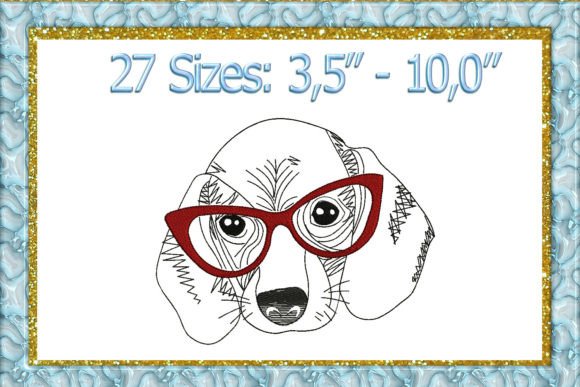
The world of machine embroidery offers endless possibilities for personalizing textiles, and among the most popular motifs are canine companions. Specifically, the Dachshund Embroidery Design has become a staple in many crafters’ digital libraries. Whether you are looking to create custom apparel, gifts, or home decor items, understanding the nuances of these files is essential for achieving professional results. This guide explores what these designs entail, their technical requirements, and how to decide if they align with your current project needs.
Understanding the Product Format
When searching for digital embroidery patterns, it is crucial to distinguish between physical goods and digital files. The Dachshund embroidery design discussed here is strictly a digital file intended for use with computerized embroidery machines. It is not a finished patch, sticker, or printed item. To utilize this asset, you must possess an embroidery machine capable of reading specific file formats and the necessary software to transfer the design from your computer to the device.
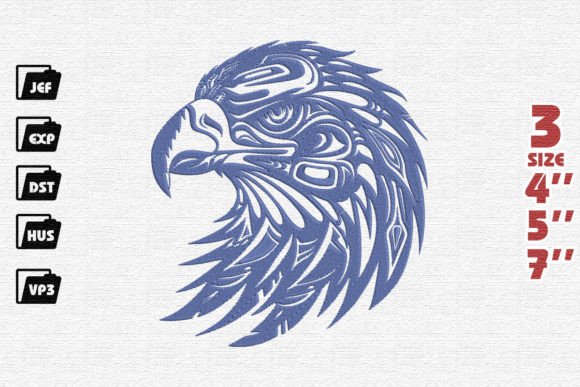
Versatility in file compatibility is a significant advantage of modern digital designs. The package typically includes nine distinct formats to ensure broad machine support:
- PES – Compatible with Brother, Deco, and Babylock machines.
- DST – Standard for Tajima industrial and commercial machines.
- EXP – Used by Melco (Husqvarna) systems.
- HUS – Designed for Husqvarna Viking models.
- JEF – Formats for Janome, Elna, and Kenmore machines.
- VP3 – Another variant for Husqvarna Viking.
- VIP – For VIP XXX series machines.
- SEW – Compatible with Janome, Elna, and Kenmore.
This extensive list ensures that regardless of the brand of embroidery machine you own, there is likely a compatible file included in the download. However, users should always verify their machine’s manual to confirm exact format support before purchasing.
Why Choose a Dachshund Motif?
The decision to incorporate a Dachshund machine embroidery design often stems from both aesthetic preference and practical application. Dachshunds, with their distinctive long bodies and expressive faces, offer a charming subject matter that appeals to dog lovers and casual observers alike. From a crafting perspective, these designs provide several benefits:
- Personalization Potential: They allow for unique customization on baby onesies, pet bandanas, or tote bags, making them ideal for gift-giving occasions.
- Scalability: Digital designs can be resized within the limits of your machine’s hoop size, allowing for small accents on pockets or larger centerpieces on jackets.
- Community Appeal: Dog-themed crafts often resonate well with recipients, particularly those who own or adore dachshunds.
However, it is important to manage expectations. While the digital file provides the blueprint, the final quality depends heavily on the crafter’s skill level, the quality of thread used, and the preparation of the fabric.
Technical Considerations and Best Practices
Achieving high-quality stitching requires more than just loading the file into the machine. Proper preparation of materials is critical, especially when working with delicate fabrics. For instance, when embroidering on fine-knit fabrics such as T-shirts or children’s overalls, the risk of puckering or needle holes is higher. In these situations, strategic stabilizer selection is paramount.
For knit fabrics, a common best practice involves using a sticky stabilizer on the back of the fabric to prevent shifting. Additionally, placing a tear-away stabilizer on top inside the fabric helps support the stitches during the process. If the design includes fonts or fine lines, a cut-away or flush stabilizer on the outside may be necessary to maintain definition. Using a thinner gauge knitting needle can also help prevent unsightly holes from appearing in the fabric, preserving its integrity.
Furthermore, the choice of thread and fabric color contrast plays a vital role in the visual impact of the Dog Pug embroidery Pet Embroidery design (or any similar motif). Dark threads on light fabrics generally offer better visibility, while tonal choices require careful consideration of stitch density and direction.
Evaluating Fit for Your Needs
Before integrating a Dachshund Embroidery Design into your workflow, consider whether your current setup supports the task. If you are a beginner without an embroidery machine, this digital product will not serve your immediate needs. Similarly, if you are looking for ready-made patches to iron on, this file is not the correct solution.
This product is a strong fit for:
- Experienced crafters expanding their digital library.
- Small business owners producing custom embroidered goods.
- Hobbyists who already own compatible hardware and seek new projects.
Conversely, alternatives may be worth considering if you lack the necessary equipment or skills. For those without machines, pre-embroidered patches or heat-transfer vinyl (HTV) might be more suitable. If you are unsure about managing multiple file formats, starting with a single-format bundle (such as PES-only) might reduce the learning curve initially.
Conclusion
The Dachshund Embroidery Design represents a versatile and charming option for textile customization. Its value lies not just in the artistic depiction of the dog, but in the wide range of machine formats provided, ensuring accessibility across various brands. Success with this design hinges on proper technical execution, including the use of appropriate stabilizers and needles, particularly for delicate fabrics. By carefully assessing your equipment, skill level, and project goals, you can determine if this digital asset is the right tool for your creative endeavors. Ultimately, it serves as a functional component in the broader ecosystem of machine embroidery, offering a pathway to personalized, high-quality crafted items.