Bookshelf Plants Cross Stitch Pattern: A Detailed Guide for Advanced Stitchers
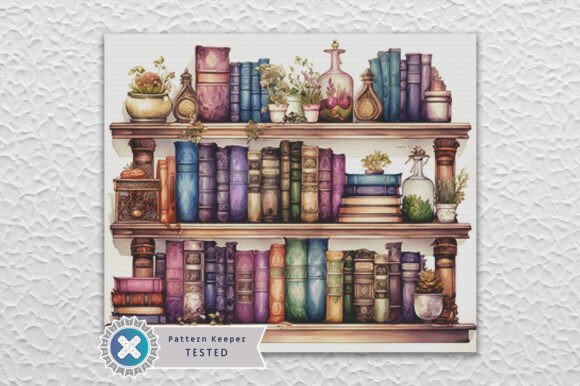
If you are looking to expand your cross-stitch repertoire with a project that balances intricate detail with aesthetic charm, the Bookshelf Plants Cross Stitch Pattern is a compelling choice. This design is not merely a decorative piece; it is a sophisticated challenge tailored specifically for advanced stitchers who crave depth, texture, and a high volume of color variation. The pattern features lush foliage spilling from shelves, creating a vibrant tableau that brings life to any wall or display space.
What sets this particular pattern apart is its sheer scale and complexity. With a design size of 350 stitches wide by 300 stitches high, this is a substantial undertaking. It requires approximately 105 different DMC thread colors, making it a significant commitment of time and resources. However, for those who enjoy the meditative process of managing complex palettes and executing precise techniques, the result is a stunning work of art that stands out in both traditional framing and modern digital displays.
Understanding the Scope and Specifications
Before diving into the creative possibilities, it is essential to understand the technical realities of this project. The Bookshelf Plants Cross Stitch Pattern is designed for precision. The finished dimensions vary depending on the fabric count you choose, which directly impacts the final look and feel of the piece.
- 14 Count Fabric: This is the standard choice for many stitchers. At this count, the finished size will be 25 inches wide by 21.5 inches high (63.5w x 54.5h cm). This large canvas allows individual stitches to be more visible, giving the piece a classic, textured appearance.
- 16 Count Fabric: Choosing 16-count fabric reduces the finished dimensions to 21.9 inches wide by 18.8 inches high (55.6w x 47.7h cm). This option offers a slightly tighter weave, resulting in a smoother finish while still maintaining good stitch definition.
- 18 Count Fabric: For a finer, more detailed look, 18-count linen or cotton yields a finished size of 19.5 inches wide by 16.7 inches high (49.4w x 42.4h cm). This is ideal if you want the artwork to resemble a painting more than a textile craft.
- 25 Count Fabric: Using 25-count fabric creates a very small but incredibly dense image, measuring just 14 inches wide by 12 inches high (35.6w x 30.5h cm). This is best suited for experienced stitchers who prefer working on fine linens and want maximum detail in a compact area.
The pattern includes two PDF files: a mockup symbol key and a black-and-white symbol chart. These resources are crucial for navigating the 105-color palette. Additionally, a project tracker is included to help you monitor your progress through such a lengthy journey.
Real-World Applications and Use Cases
Why would someone undertake a project of this magnitude? The answer lies in the diverse ways people integrate cross-stitch into their lives, from personal wellness to professional branding.
Personal Wellness and Digital Detox
In an era where screen time dominates our days, engaging in tactile hobbies like cross-stitch offers a necessary counterbalance. The Bookshelf Plants Cross Stitch Pattern serves as a focal point for mindfulness. Managing over 100 threads requires focus, which naturally slows down the mind and reduces anxiety. For busy professionals, entrepreneurs, or parents, this pattern provides a structured escape. Unlike simpler patterns that might be finished in a weekend, this project encourages long-term engagement, allowing stitchers to return to it daily or weekly without feeling rushed. The repetitive nature of stitching, combined with the visual reward of seeing the plants emerge, creates a therapeutic loop that promotes mental clarity.
Creative Portfolio Building
For hobbyists who aspire to become professional artisans, this pattern is a strategic addition to one’s portfolio. Completing a 105-color design demonstrates technical proficiency, patience, and color theory understanding. When showcasing work to potential clients—whether for custom commissions, gallery submissions, or social media presence—a piece of this caliber signals expertise. It shows that the creator can handle complex instructions and deliver high-quality results. The lush greenery theme is universally appealing, making it a versatile piece that can attract a broad audience interested in home decor and botanical art.
Educational Tool for Skill Advancement
Educators and mentors in fiber arts often look for projects that teach multiple techniques simultaneously. This pattern is excellent for teaching advanced students how to manage large color palettes. It forces the learner to organize their workspace efficiently, perhaps using thread organizers or color-coded charts. Furthermore, the inclusion of a project tracker teaches planning and time management skills. Students learn to break down a massive task into manageable sections, a skill that translates well beyond crafting into other areas of life, such as academic research or project management.
Home Decor and Interior Styling
From a lifestyle perspective, the finished artwork fits seamlessly into various interior design styles. The botanical theme aligns with biophilic design principles, which emphasize connecting indoor spaces with nature. Placing this framed piece above a desk, in a reading nook, or in a home office reinforces a calm, productive atmosphere. For bloggers and content creators, having a handmade backdrop for videos or photos adds authenticity and warmth to their digital presence. The natural tones of the plants complement wood, stone, and neutral fabrics, making it a flexible accent piece that enhances rather than overwhelms a room.
Technical Considerations Before You Start
While the vision is inspiring, practical preparation is key to success. Here are several factors to consider before purchasing or beginning the Bookshelf Plants Cross Stitch Pattern.
Fabric Choice and Tension
Your choice of fabric count will dictate the difficulty level. If you are accustomed to 14-count Aida, moving to 18-count or 25-count linen requires adjusted tension control. Linen, in particular, demands careful handling to avoid splitting fibers. Ensure you have appropriate needles; sharps for linen and tapestry needles for Aida are standard, but having a variety of sizes helps accommodate the finer counts. Also, consider the lighting in your stitching environment. With 105 colors, distinguishing between similar shades of green or blue can be challenging under poor lighting. A bright, adjustable lamp is almost essential.
Thread Management
Organizing 105 DMC colors is a logistical challenge. Many stitchers use thread cards or specialized boxes to keep flosses sorted. Since the pattern includes a symbol key and floss usage guide, follow these closely to minimize errors. Mistakes in such a dense design can be difficult to correct later, so taking the time to verify color placement at the start of each section is wise. Some stitchers prefer to cut and label threads as they go, while others pre-sort them by hue. Find the method that reduces stress for you.
Digital vs. Print Usage
The PDF format offers flexibility. You can print the black-and-white symbol chart for a traditional stitching experience, which some find less straining on the eyes. Alternatively, using apps like Pattern Keeper or Markup R-XP allows you to mark off stitches digitally. This is particularly useful for the Bookshelf Plants Cross Stitch Pattern because you can zoom in on specific areas for better visibility. If you choose the digital route, ensure your device has adequate storage and battery life, or invest in a portable power bank for long stitching sessions.
Color Accuracy
Please note that colors may appear differently on various screens. The DMC codes provided are accurate, but the preview images in the PDF are estimates. Do not rely solely on the screen representation to judge the final effect. Trust the color codes and the physical floss. This discrepancy is common in all digital pattern sales, so viewing the physical threads in natural light before starting is recommended to get a true sense of the palette.
Who Is This Pattern For?
This pattern is not for beginners. It assumes a solid understanding of basic stitches, backstitching (if included), and needle weaving. It is ideal for:
- Experienced Hobbyists: Those who have completed several large projects and are bored with simple designs.
- Detail-Oriented Crafters: Individuals who enjoy the puzzle-like aspect of matching symbols to threads.
- Gift Makers: Someone looking to create a unique, high-value gift for a plant lover or fellow crafter.
- Content Creators: Bloggers or YouTubers who need engaging content about advanced techniques or color theory.
In summary, the Bookshelf Plants Cross Stitch Pattern is more than just a pastime; it is a comprehensive project that tests and refines your skills. Whether you are seeking a mindful retreat, a portfolio centerpiece, or a beautiful addition to your home, this design offers a rewarding challenge. By carefully planning your materials, organizing your workspace, and embracing the step-by-step process, you can bring this lush, vibrant scene to life with confidence and pride.