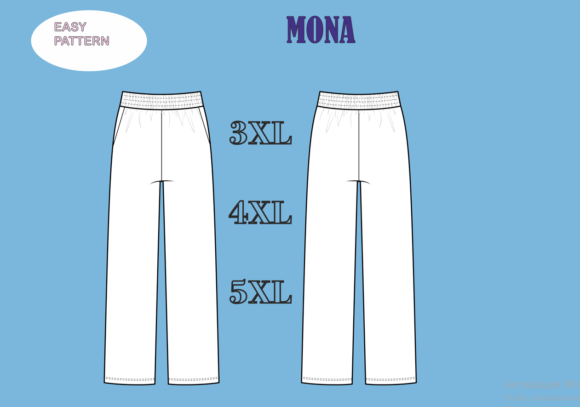
The Ultimate Guide to Mastering Palazzo Pants DIY 3XL 4XL 5 XL Pattern for Effortless Elegance
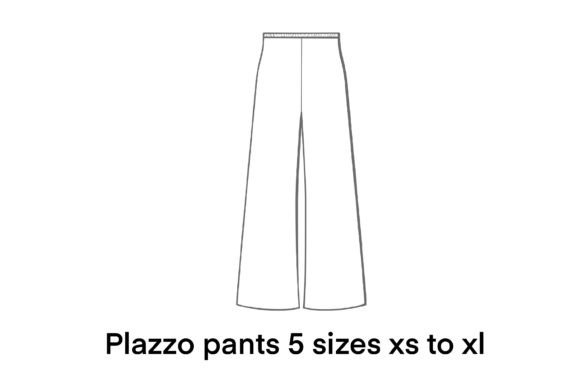
There is a distinct joy in creating your own wardrobe, particularly when the result is a garment that combines comfort with high-fashion aesthetics. Enter the Palazzo Pants DIY 3XL 4XL 5 XL Pattern, a design staple that has captured the hearts of sewists and fashion enthusiasts alike. These trousers are not merely clothing; they are a statement of fluidity, grace, and inclusivity. Known for their wide-leg silhouette, palazzo trousers drape beautifully over the body, offering a flattering fit for any figure while seamlessly bridging the gap between classic sophistication and casual cool.
If you have been searching for a sewing project that rewards patience with a stunning final product, this pattern is your answer. The specific focus on extended sizes—3XL, 4XL, and 5XL—ensures that elegance is accessible to everyone. Whether you are a seasoned tailor or an ambitious beginner looking to tackle a structured yet forgiving garment, understanding the nuances of this pattern is key to achieving professional results. Let’s dive into what makes these pants so special, how to prepare for them, and why they deserve a spot in your sewing queue.
Why Choose Palazzo Trousers for Your Wardrobe?
The appeal of palazzo pants lies in their versatility. Unlike skinny jeans or tapered slacks, which can sometimes restrict movement or highlight areas you might prefer to de-emphasize, the voluminous cut of the palazzo creates a streamlined, elongated look. This silhouette works wonders for various body types, providing a balanced proportion that enhances natural curves without clinging uncomfortably.
In modern lifestyles, where comfort is paramount but style cannot be compromised, these trousers hit the sweet spot. They are perfect for office environments when paired with a crisp blouse, ideal for summer evenings when worn with a simple tank top, and surprisingly appropriate for formal events if crafted from luxurious fabrics. The Palazzo Pants DIY 3XL 4XL 5 XL Pattern specifically caters to those who want freedom of movement without sacrificing the sharp, tailored appearance of traditional dress pants. It is about redefining "formal" to include ease and breathability.
Understanding the Specifications and Fabric Requirements
Before cutting into your fabric, it is crucial to understand the technical specifications provided by the pattern designers. Accurate preparation is half the battle in sewing. For the Palazzo Pants DIY 3XL 4XL 5 XL Pattern, the finished sizes are clearly delineated for 3XL, 4XL, and 5XL. This range allows for a generous fit, accommodating different hip and waist measurements with ease. However, it is important to note that allowances are included in the pattern pieces. This means you do not need to add extra seam allowance unless you plan to alter the hem or waistline significantly after construction.
Fabric Selection: The Key to Drape
The magic of a palazzo pant is entirely dependent on the fabric you choose. Because the design relies on volume and flow, stiff materials like denim or heavy canvas will not yield the desired effect. Instead, the pattern recommends using lightweight, flowing fabrics such as silk or satin. Specifically, the guidelines suggest a length of 150 cm and a width of 200 cm. Why these dimensions? A width of 200 cm is essential because the wide legs require ample material to create the full flare without excessive seaming. If your fabric bolt is narrower, you may need to piece the fabric, which adds complexity to the project.
- Silk: Offers a luxurious sheen and incredible drape. It is breathable and feels cool against the skin, making it perfect for warm climates.
- Satin: Provides a glossy finish that catches the light beautifully. It is slightly more durable than silk and holds its shape well, though it can be slippery to sew.
When purchasing fabric, always double-check the grain line. Cutting on the bias (diagonally across the weave) can enhance the drape, but for standard palazzo pants, following the straight grain ensures the legs hang symmetrically. Misaligned grains can cause the pants to twist around the legs, ruining the clean lines of the design.
Construction Considerations for Extended Sizes
While the concept of a wide-leg pant seems simple, constructing them in larger sizes like 3XL, 4XL, and 5XL requires attention to detail. The weight of the fabric increases with the surface area, meaning standard sewing machine needles might struggle. It is advisable to use a heavier-duty needle suitable for silks or satins to prevent skipped stitches or broken threads.
Furthermore, the waistband and crotch curve are critical areas. In the Palazzo Pants DIY 3XL 4XL 5 XL Pattern, the grading between sizes is smoothed out to ensure that transitions between the waist, hips, and thighs are seamless. When assembling the garment, pinning thoroughly before stitching is non-negotiable. Silk and satin can shift easily under the presser foot, leading to uneven seams. Using clips instead of pins can also help hold layers together without leaving permanent holes in delicate fabrics.
Another practical tip involves the hemming process. Wide hems are often preferred for palazzo pants to give them a substantial, high-quality feel. However, working with a wide leg means you are dealing with a large circumference of fabric at the bottom. Hemming this evenly can be challenging. Some sewists recommend basting the hem first, trying on the pants, marking the desired length while standing naturally, and then stitching the final hem. This ensures that the pants do not drag on the floor or appear too short, especially since the wide leg can make visual estimation difficult.
Mona - A Symbol of Timeless Style
Often referred to affectionately in sewing communities as "Mona" due to their elegant, enigmatic allure, these trousers represent a return to timeless fashion. They echo the styles of the 1970s disco era but are updated with contemporary tailoring techniques. The name "Mona" evokes a sense of mystery and charm, suggesting that wearing these pants makes the wearer stand out quietly but confidently.
This style fits perfectly into the current trend of sustainable fashion. By choosing to sew your own garments, you reduce waste and create items that last longer than fast-fashion alternatives. The Palazzo Pants DIY 3XL 4XL 5 XL Pattern empowers you to control the quality of your clothing. You decide the fabric, the fit, and the longevity. This level of customization is something off-the-rack clothing simply cannot offer. Imagine walking into a room knowing that your outfit was made specifically for your body, using materials you love, and constructed with care. That is the power of DIY fashion.
Customer Support and Satisfaction
We understand that sewing projects can sometimes present unexpected challenges. Patterns are guides, not rigid rules, and individual body shapes vary. If something does not meet your expectations during the construction process, please contact us and we will solve the problem together. Our commitment is to support you through every step, whether you need clarification on a pattern piece, advice on fabric choice, or troubleshooting tips for a specific sewing technique.
Remember, the goal is not just to complete a project, but to enjoy the process. The satisfaction of holding up a pair of self-made, perfectly fitting palazzo pants is unmatched. They are more than just trousers; they are a testament to your skill and creativity. With the right preparation, the correct fabric, and a bit of patience, the Palazzo Pants DIY 3XL 4XL 5 XL Pattern will become a cornerstone of your wardrobe, ready to be worn for years to come.
As you embark on this journey, keep in mind that practice makes perfect. Your first pair might not be flawless, and that is okay. Each stitch teaches you something new. Embrace the learning curve, celebrate the victories, and most importantly, wear your creations with pride. The world needs more unique, handcrafted fashion, and with patterns like this, you are well-equipped to contribute to that beautiful tapestry of style.