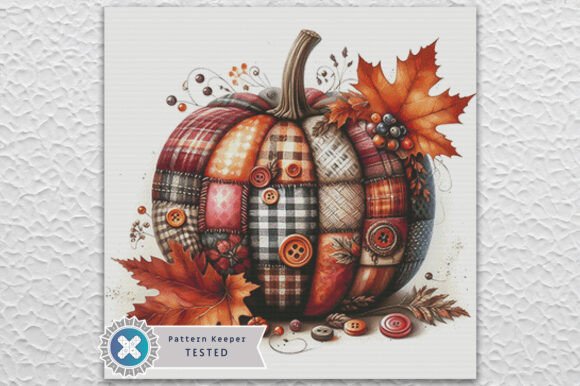
Patchwork Pumpkin Cross Stitch Pattern
Cross-stitching has evolved from a simple pastime into a sophisticated art form that challenges precision, patience, and creativity. For those looking to elevate their craft, the Patchwork Pumpkin Cross Stitch Pattern represents a significant step up in complexity and visual impact. This is not merely a seasonal decoration; it is a comprehensive project designed for advanced stitchers who are ready to tackle large-scale, high-detail work. With a design size of 350 by 350 stitches, this pattern demands a serious commitment of time and skill, offering a rewarding result that serves as both a centerpiece and a testament to the creator’s expertise.
The allure of this specific pattern lies in its dual nature. It combines the whimsical, autumnal charm of pumpkins with the intricate, textured aesthetic of patchwork quilting. The result is a piece that feels cozy yet structurally complex. However, before diving into the hoop, it is essential to understand the scope of the project. With a thread count of 70 DMC colors, this pattern requires meticulous organization and a deep familiarity with color blending and shading techniques. It is an investment in time, but one that yields a finished piece of substantial dimensions and undeniable beauty.
Understanding the Scale and Complexity
One of the first things any stitcher must consider when evaluating a new pattern is the physical scale. The Patchwork Pumpkin design measures 350w x 350h stitches. To put this into perspective, on standard 14-count Aida fabric, the finished image will be approximately 25 inches wide by 25 inches high (63.5 cm). On 18-count linen, which many advanced stitchers prefer for its finer detail and softer drape, the finished size shrinks to roughly 19.5 inches square. Even on 25-count fabric, the piece remains a substantial 14-inch square.
This size is not trivial. A 25-inch square frame is a statement piece, likely to become the focal point of a living room or dining area. Managing such a large canvas requires more than just stitching skill; it requires logistical planning. You will need a sturdy hoop or frame that can accommodate the width without distorting the fabric. The sheer volume of stitches—over 122,000 individual crosses—means that this project will span weeks or even months of dedicated work. It is a marathon, not a sprint, and understanding this timeline is crucial for maintaining motivation.
Who Is This Pattern For?
While cross-stitch enthusiasts of all levels enjoy the hobby, this particular pattern is explicitly recommended for advanced stitchers. But what does "advanced" mean in this context? It generally implies comfort with long runs of single colors, proficiency in backstitching fine details, and the ability to manage a large palette of threads without confusion. If you have completed several large projects and feel confident navigating complex symbol charts, this pattern is an excellent next challenge.
For beginners, the recommendation is clear: proceed with caution. While the desire to create something beautiful is universal, the frustration of managing 70 different colors and a massive grid can quickly turn a relaxing hobby into a source of stress. Beginners might find better success starting with smaller patterns that allow them to master basic techniques like tension control and needle handling before tackling a project of this magnitude.
Relevance for Different Audiences
The value of this pattern extends beyond just the act of stitching. Different groups within the crafting community may find unique benefits in this project:
- Hobbyists and Creatives: For those who view crafting as a primary outlet for relaxation and self-expression, this pattern offers a profound sense of accomplishment. The patchwork design allows for creative interpretation of texture, making the final product feel organic and handmade rather than mass-produced.
- Educators and Mentors: Experienced stitchers who teach others may use this pattern as a benchmark for advanced skills. Demonstrating how to handle a 70-color palette teaches students about organization, color theory, and endurance.
- Small Business Owners: For those who sell handmade goods, this pattern produces a high-value item. A 25-inch framed piece commands a higher price point and appeals to customers looking for premium, artisanal home decor. The complexity justifies the cost, appealing to buyers who appreciate the hours of labor involved.
- Marketers and Bloggers: Content creators in the crafting niche can document the journey of completing this pattern. The progress shots, color organization tips, and final reveal provide rich content for social media and blogs, engaging audiences interested in detailed, long-term projects.
Technical Details and Usability
The digital delivery of this pattern is designed with modern convenience in mind. Upon purchase, you receive two PDF files that cater to various working styles. The inclusion of a mockup helps visualize the final result, while the symbol key ensures clarity during the stitching process. One of the most valuable features for advanced users is the floss usage chart. Knowing exactly how much of each DMC color is required helps in purchasing accurate amounts of thread, reducing waste and ensuring you do not run out mid-project.
The pattern comes in black and white symbol charts, which are easier on the eyes during long stitching sessions and print cleanly without wasting ink. Additionally, a project tracker is included, allowing you to monitor your progress systematically. This is particularly useful for large projects where losing track of rows can lead to errors that are difficult to fix later.
Flexibility is another key aspect of the digital format. Whether you prefer printing physical copies to mark off sections or using digital tools like the Pattern Keeper app or Markup R-XP, the files adapt to your workflow. Digital usage allows for zooming in on specific areas, changing font sizes for readability, and keeping all your notes in one place. This versatility reduces friction, allowing you to focus on the stitching rather than the logistics.
Considerations for Success
To ensure a positive experience with the Patchwork Pumpkin Cross Stitch Pattern, there are several practical considerations to keep in mind. First, lighting is critical. Working with 70 subtle variations of color requires excellent visibility. Natural light or high-quality LED task lights can help distinguish between similar shades, preventing costly mistakes.
Second, organization is paramount. With so many colors, developing a system for sorting threads—perhaps by hue or by order of use—will save significant time. Some stitchers prefer to cut all threads beforehand and store them in labeled containers, while others prefer to leave them on spools until needed. Whichever method you choose, consistency is key.
Finally, be aware that colors may appear differently on various screens. The digital preview is a guide, but the actual DMC threads will provide the true representation. Trusting your eyes and testing small swatches can help confirm color choices before committing to large sections.
Conclusion
The Patchwork Pumpkin Cross Stitch Pattern is more than just a set of instructions; it is an invitation to engage in a deeply satisfying creative endeavor. It challenges the stitcher to push their boundaries, manage complex resources, and produce a work of art that stands the test of time. Whether you are stitching for personal joy, professional display, or educational purposes, this pattern offers a robust framework for achieving excellence. By understanding the scale, preparing the right tools, and approaching the project with patience and organization, you can transform hundreds of tiny stitches into a stunning tribute to the season and the craft.