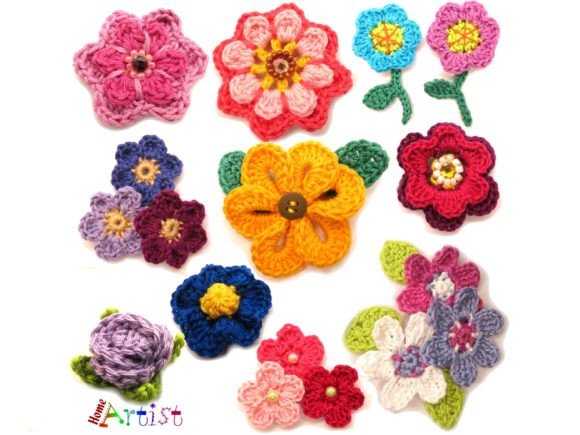
My Favorite Flowers Collection 1 Crochet
Crochet is more than just a hobby; for many, it is a versatile medium for personal expression and small-scale entrepreneurship. When you encounter My Favorite Flowers Collection 1 Crochet, you are looking at a resource designed to bridge the gap between simple crafting and professional-quality embellishment. This pattern provides clear instructions to create a cute crochet applique that can be used in innumerable ways. Whether you are decorating hats, t-shirts, bags, school knapsacks, or adding a unique touch to home decor items, these flowers offer a flexible solution for personalization.
However, simply having access to a pattern does not guarantee a flawless result. Many crafters, particularly those transitioning from basic stitches to more detailed appliques, often overlook critical details regarding yarn weight, hook size, and finishing techniques. These oversights can lead to pieces that do not match the intended dimensions, lack structural integrity, or fail to integrate well with other materials. Understanding the specifics of this collection helps ensure that your final product meets both aesthetic and functional standards.
Understanding Dimensions and Material Variability
The pattern specifies that the flower measures approximately 1 1/2 inches to 3 inches when worked with a 2.5mm crochet hook using worsted weight yarn. While this range offers flexibility, it also introduces a common point of confusion for beginners who assume that "worsted weight" always produces the same result. Yarn brands vary significantly in their gauge, and tension differs from person to person. If you strictly follow the hook recommendation without testing your own tension, your flowers may end up larger or smaller than expected, which can disrupt the balance of your project, especially if you are creating a set.
To avoid mismatched sizes, it is essential to understand that the size can be varied by using thinner or thicker yarn and different types of hooks. If you desire a smaller, more delicate flower for a subtle detail on a collar, switch to a finer yarn and a smaller hook. Conversely, for bold statements on beanies or tote bags, a bulky yarn with a larger hook will yield a chunkier, more textured flower. The key is consistency within a single project. Mixing vastly different sizes unintentionally can look like an error rather than a design choice.
- Check Your Gauge: Before committing to a large project, make one sample flower using your chosen yarn and hook. Measure it against the pattern’s specifications.
- Yarn Swatches: Keep notes on which yarn brands work best with specific hook sizes. A lightweight worsted from one brand might behave like a DK weight from another.
- Intentional Variation: If you want a mixed-flower arrangement, plan the sizes deliberately. Use the full range of the pattern (1.5 to 3 inches) to create visual interest, rather than accidentally varying them due to inconsistent tension.
Avoiding Common Finishing Mistakes
One of the most overlooked aspects of crochet appliques is the finishing process. A flower that looks perfect while still attached to the hook can fall apart or look messy once woven in. Beginners often rush through weaving in ends or leave loose loops that snag easily. Since these flowers are intended to be sewn onto various objects—such as school knapsacks that undergo heavy wear—the durability of the finish is paramount.
Ensure that all yarn tails are securely woven in multiple directions to prevent unraveling. If you plan to machine wash the finished item (like a hat or bag), consider blocking your flowers lightly to even out the stitches. This step enhances the overall presentation and ensures that the petals lie flat and symmetrical. Skipping this step might result in a lopsided appearance that detracts from the cute, polished look the pattern aims to achieve.
Color Selection and Personal Preference
The pattern allows colors to be changed according to your personal preference, which is a significant advantage for customization. However, color choice impacts perception and usability. For instance, choosing high-contrast colors for the center versus the petals makes the flower pop, while tonal choices create a more subtle, elegant effect. Be mindful of the base fabric you are attaching the flower to. A light-colored flower on white fabric may disappear, requiring a contrasting backing or a darker thread for sewing.
Consider the end-use of your project. For children’s items like school knapsacks, durable, fade-resistant acrylics are often preferred over delicate wools. For fashion accessories like t-shirts, natural fibers like cotton or bamboo blends offer a softer hand feel but may require gentler care. Aligning your material choice with the garment’s lifecycle prevents premature wear and tear.
Navigating the Digital Purchase Process
This crochet pattern is available for instant download. Once payment is received, you will get an email with the download link and details of your order. While this convenience is appealing, it requires attention to detail to ensure a smooth experience. A common mistake is failing to check spam folders immediately after purchase, leading to unnecessary anxiety about whether the order went through.
Additionally, verify that your device supports the file format provided (typically PDF). Ensure you have a reliable PDF reader installed. If you plan to print the pattern, check your printer settings beforehand to avoid wasting ink on pages you do not need. Some patterns include both printable and digital-friendly versions; choose the one that best suits your workflow. If you encounter any problems during the download or setup process, feel free to contact the designer anytime. Prompt communication can resolve technical issues quickly, allowing you to start crafting without delay.
Evaluating Suitability for Your Skill Level
While the pattern is accessible, it assumes a basic familiarity with American English crochet terms. If you are accustomed to UK terms, you may find yourself confused by instructions involving "single crochet" versus "double crochet." Always confirm the terminology before starting. Misinterpreting a stitch can ruin the shape of the flower, requiring you to frog (unravel) your work—a frustrating and time-consuming outcome.
For beginners, take the time to learn the specific stitches required for the petals and center. Practice them on a scrap piece of yarn first. This preparatory step builds confidence and reduces errors. Professionals and entrepreneurs should note that mastering these techniques allows for efficient production of high-quality goods, suitable for markets like Etsy or local craft fairs. The ability to customize size and color adds value, making these appliques attractive to customers seeking personalized items.
Maximizing Creativity and Utility
The true value of My Favorite Flowers Collection 1 Crochet lies in its versatility. Do not limit yourself to the suggested uses. Think beyond hats and bags. Consider attaching them to hair clips, bookmarks, or even as decorative elements on gift tags. The small size (1.5 to 3 inches) makes them ideal for projects where space is limited but impact is desired.
Experiment with texture. Using variegated yarn can add depth without additional effort. Combining different shades of the same color family creates a sophisticated gradient effect. Remember that the goal is not just to replicate the pattern but to adapt it to your creative vision. By paying attention to material selection, finishing details, and proper technique, you transform a simple instruction sheet into a tool for creating beautiful, lasting handmade goods.
In summary, success with this collection comes from preparation and attention to detail. Verify your materials, understand the terminology, test your gauge, and finish meticulously. With these steps, you can confidently produce charming crochet flowers that enhance any object they adorn, whether for personal enjoyment or commercial sale. The flexibility of the pattern encourages creativity, ensuring that each flower is a unique reflection of your skill and style.