Classic Kimono Jacket: A Versatile Wardrobe Staple and Sewing Guide
The Classic Kimono Jacket has emerged as a significant piece in modern fashion, bridging the gap between traditional Japanese garment construction and contemporary minimalist aesthetics. Unlike structured blazers or fitted cardigans, this open-front design offers a relaxed silhouette that prioritizes comfort without sacrificing style. For sewists and fashion enthusiasts alike, understanding the nuances of this garment—particularly through detailed resources like the Classic Kimono Jacket Sewing Pattern by Juliana Martejevs—is essential for creating a piece that fits seamlessly into a versatile wardrobe.
This article explores what defines the Classic Kimono Jacket, how it compares to other outerwear options, and why a well-drafted sewing pattern is crucial for achieving a professional finish. Whether you are looking to layer over office attire or seek comfortable loungewear, evaluating the specific attributes of this jacket will help you decide if it is the right addition to your sewing projects.
Defining the Classic Kimono Jacket
At its core, the Classic Kimono Jacket is characterized by its simple, geometric construction. Traditional kimono sleeves are cut in one piece with the body of the garment, resulting in a straight seam from the underarm to the wrist. This differs significantly from raglan sleeves, which have diagonal seams, or set-in sleeves, which require complex armhole shaping. The result is a garment that drapes loosely around the shoulders and arms, creating an effortless, fluid look.
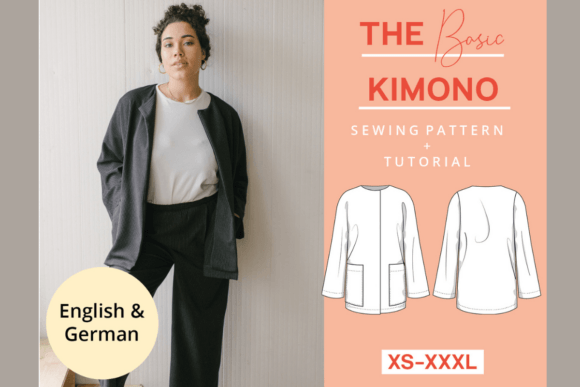
The version designed by Juliana Martejevs emphasizes minimalism. It features an open front, eliminating the need for buttons, zippers, or closures. This design choice not only simplifies the sewing process but also enhances the jacket’s versatility. The use of soft pinstripe fabric, as often recommended in these patterns, adds a touch of sophistication while maintaining a casual vibe. The lack of structure allows the fabric to move with the wearer, making it ideal for those who prefer clothing that feels like a second skin rather than a rigid shell.
Key Characteristics
- Open-Front Design: No fastenings required, allowing for easy layering and adjustment.
- Relaxed Fit: Generous ease around the torso and arms, suitable for various body types.
- One-Piece Sleeves: Simplified construction that reduces sewing complexity.
- Minimalist Aesthetic: Clean lines and no excessive detailing, focusing on silhouette and fabric quality.
Comparison with Similar Outerwear Options
When considering adding a new layering piece to your wardrobe, it is helpful to compare the Classic Kimono Jacket against similar garments such as duster coats, cardigans, and unstructured blazers. Each option serves different needs, and understanding these differences can guide your decision-making process.
Kimono Jacket vs. Cardigan
While both are lightweight layers, a cardigan typically relies on knit fabrics and often includes buttons or a zipper. Knits can stretch and conform to the body, which some find flattering but others may find restrictive. The Classic Kimono Jacket, usually made from woven fabrics like cotton blends, linen, or soft pinstripes, offers more structure without being stiff. It does not cling to the body, providing a cleaner line over dresses or tailored trousers. Additionally, the open front of the kimono jacket creates a vertical visual line that can be more elongating than the horizontal lines created by buttoned cardigans.
Kimono Jacket vs. Duster Coat
Duster coats are often longer and heavier, designed primarily for warmth and dramatic flair. They can sometimes overwhelm smaller frames or feel too formal for casual settings. The Classic Kimono Jacket, particularly in shorter lengths, offers a lighter alternative. It is easier to pack for travel and less cumbersome for daily activities. While a duster might dominate an outfit, the kimono jacket complements it, acting as a subtle enhancer rather than the focal point.
Kimono Jacket vs. Unstructured Blazer
Unstructured blazers mimic the look of formal wear but drop the padding and stiff interfacing. They are excellent for professional settings but can still feel somewhat rigid due to their lapels and defined shoulders. The Classic Kimono Jacket lacks lapels and defined shoulder seams, offering a softer, more approachable look. It is equally appropriate for the office when paired with a blouse, yet it transitions more naturally to evening dinners or weekend outings. The absence of a collar also makes it easier to layer over high-neck tops or scarves without bulk.
Evaluating the Sewing Pattern: The Juliana Martejevs E-Book
For those choosing to sew their own Classic Kimono Jacket, the quality of the pattern is paramount. Off-the-rack garments often suffer from poor sleeve alignment or uneven hems, issues that can be avoided with a well-designed digital pattern. The Classic Kimono Jacket Sewing Pattern by Juliana Martejevs stands out for its comprehensive approach to instruction and customization.
What Is Included in the E-Book?
This resource is not merely a set of PDF templates; it is a detailed step-by-step guide. Key components include:
- Measurement Chart: Accurate sizing guides ensure a perfect fit, addressing common issues like wide shoulders or narrow backs.
- Fabric Cutting Guide: Clear diagrams show exactly how to lay out the pattern pieces to minimize waste and align grainlines correctly.
- Customizable Patterns: Users can adjust length, width, and sleeve size to suit personal preferences.
- Visual Instructions: High-quality photos accompany each step, reducing ambiguity and helping sewists of all levels follow along confidently.
- Sustainability Tips:
The availability of the e-book in both English and German broadens its accessibility, ensuring that non-native speakers can also benefit from clear, precise instructions. This inclusivity is a significant advantage for international sewists.
Benefits for Different Skill Levels
Beginners often fear complex garments, but the Classic Kimono Jacket’s simple geometry makes it an excellent first project. The lack of closures and complex linings reduces the learning curve. However, the pattern also appeals to experienced sewists who appreciate the precision required to achieve a polished finish. The detailed instructions allow seasoned crafters to focus on fabric selection and finishing techniques, such as French seams or rolled hems, rather than struggling with confusing directions.
Practical Use Cases and Styling
One of the strongest arguments for the Classic Kimono Jacket is its adaptability across various contexts. Its minimalist design allows it to function as a chameleon in your wardrobe, shifting roles based on what it is paired with.
Professional Settings
In the workplace, the jacket can elevate a simple blouse and trousers combination. The soft pinstripe fabric adds texture and visual interest without being distracting. It provides a layer of professionalism that is less formal than a suit jacket but more put-together than a t-shirt alone. The open front allows for easy movement during long days, and the lightweight nature ensures comfort in climate-controlled offices.
Casual and Lounging Wear
On weekends, the same jacket transforms into a cozy layer. Paired with jeans and a basic tee, it offers a laid-back, chic aesthetic. For at-home wear, its loose fit makes it ideal for reading or working remotely. The breathable fabrics commonly used in these patterns prevent overheating, making it suitable for indoor environments where temperature regulation is key.
Travel and Seasonal Transitions
Travel requires versatile clothing that packs easily and resists wrinkling. The Classic Kimono Jacket, especially when made from synthetic blends or light wools, meets these criteria. It can be stuffed into a carry-on without taking up much space. Furthermore, it excels during seasonal transitions. In spring, it protects against morning chill; in fall, it adds warmth without the bulk of a coat. This dual-season utility maximizes the value of the garment, making it a cost-effective addition to any closet.
Decision Factors: Is the Classic Kimono Jacket Right for You?
Choosing to invest time and materials into sewing a Classic Kimono Jacket depends on several factors. Consider your sewing experience, your wardrobe gaps, and your lifestyle needs.
If you struggle with finding jackets that fit well off-the-rack, especially in the shoulders or arms, sewing your own offers a solution. The customizable nature of the pattern allows you to tailor the fit precisely to your measurements. If you value sustainability and wish to reduce fast fashion consumption, creating a durable, timeless piece is a meaningful step. The longevity of a well-made kimono jacket, combined with its classic style, means it will remain relevant for years.
However, if you prefer quick, no-fuss clothing or lack access to sewing equipment, ready-to-wear alternatives might be more practical. Additionally, if you require heavy insulation for cold climates, this lightweight jacket may need to be layered extensively, which could compromise its streamlined look.
Weighing the Tradeoffs
The primary tradeoff is the initial time investment. Sewing a jacket requires hours of cutting, sewing, and pressing. However, this is offset by the satisfaction of creating something unique and the potential cost savings compared to buying designer equivalents. Another consideration is fabric choice. Because the design relies on drape, low-quality fabrics may look sloppy. Investing in good fabric is crucial to achieving the intended aesthetic.
Conclusion
The Classic Kimono Jacket represents a smart blend of tradition and modernity. Its simplicity belies its versatility, making it a powerful tool for both everyday dressing and special occasions. By utilizing a detailed resource like the Classic Kimono Jacket Sewing Pattern by Juliana Martejevs, sewists can overcome common pitfalls and create a garment that fits perfectly and looks professionally finished. Whether you are drawn to its minimalist appeal, its practical benefits, or the creative challenge of sewing it, this jacket offers a rewarding path to a more curated and sustainable wardrobe.