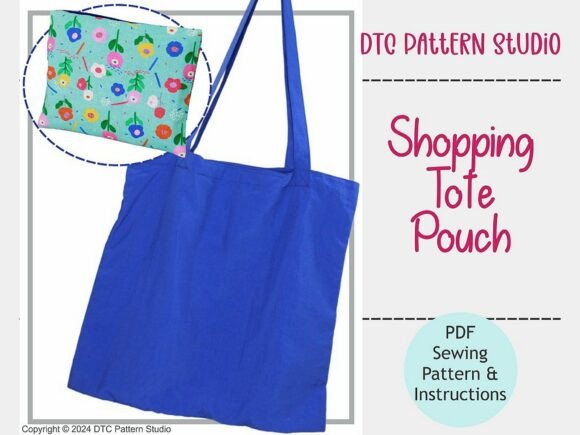
Shopping Tote Bag Pouch Sewing Pattern
The modern creative professional, the busy parent, and the mindful minimalist all share a common frustration: the clutter of carrying essentials. We want to be prepared for spontaneous errands or impromptu meetings, yet we are tired of lugging around bulky bags that take up space in our purses or cars. This is where the Shopping Tote Bag Pouch Sewing Pattern transforms from a simple craft project into a practical tool for daily organization. It solves a specific problem with elegant simplicity—a large-capacity tote that collapses into a compact, portable pouch.
This isn't just about sewing; it's about designing a system that fits your life. Whether you are a blogger needing a prop for a photoshoot, an entrepreneur preparing samples for a market, or simply someone who values efficiency, this pattern offers a tangible solution. The design leverages the "fold-in" mechanism, turning a 15 x 16-inch bag into a neat square that slips easily into a handbag, backpack, or coat pocket. Below, we explore how to execute this project effectively, choose the right materials, and adapt the design for various professional and personal needs.
Understanding the Design Mechanics
At its core, this project relies on a clever structural trick. Unlike standard tote bags that require stuffing or rigid frames to maintain shape when empty, this design uses the main body of the bag as the storage container for itself. When folded, the sides tuck neatly into an attached exterior pocket, creating a self-contained unit. This means you never have to hunt for a lost tote at the bottom of a heavy bag.
The pattern provided is a life-size PDF, which eliminates the guesswork often associated with scaling paper patterns. You receive complete instructions in both imperial and metric measurements, ensuring precision regardless of your preference. The final dimensions—38 x 41 cm (approximately 15 x 16 inches)—are strategically chosen. They are large enough to hold a laptop, a few grocery items, or art supplies, yet small enough to remain unobtrusive when folded. This balance between utility and portability is what makes the pattern so appealing to designers and makers alike.
Selecting the Right Fabric
The success of this project hinges largely on fabric choice. Because the bag must fold tightly without creating excessive bulk, lightweight woven fabrics are essential. Heavy denim or thick canvas will result in a bulky pouch that defeats the purpose of easy storage. Instead, consider materials that offer durability without weight.
- Woven Synthetics: Parachute fabric, nylon packing cloth, and ripstop nylon are excellent choices. These materials are incredibly light, water-resistant, and durable. They give the finished product a sleek, technical aesthetic that appeals to urban commuters and travelers.
- Cotton Blends: If you prefer natural fibers, look for lightweight cottons or cotton-polyester blends. Quilting cotton can work well if it is not too stiff. Avoid high-thread-count percale if it feels papery, as it may tear at the stress points during folding.
- Sustainable Options: For eco-conscious creators, recycled polyester or organic cotton canvons can provide a soft drape while maintaining strength. The key is to test the fabric’s stiffness before committing to the full pattern.
When selecting fabric, also consider the lining. A contrasting lining adds visual interest and helps distinguish the inside from the outside, which is useful when pulling items out quickly. However, ensure the lining fabric matches the weight of the outer shell to maintain balance.
Step-by-Step Construction Approach
Creating this tote requires attention to detail, particularly in the folding and stitching phases. Since this is a PDF pattern, start by printing the pages and assembling them according to the provided guide. Check the alignment markers to ensure your scale is accurate. A slight error in scaling can prevent the bag from folding correctly into the pocket.
- Cutting: Cut your outer fabric and lining fabric. Remember to include seam allowances if they are not already integrated into the pattern pieces. Precision here ensures clean edges.
- Constructing the Pocket: The attached pocket is the heart of the design. It must be deep and wide enough to accommodate the folded bag. Reinforce the corners with extra stitching to prevent tearing under the weight of the bag.
- Assembling the Body: Sew the side seams of the main bag and the lining separately. Turn them right side out. At this stage, you can add interior pockets or zippered compartments if desired, though keeping it simple enhances the folding mechanism.
- Attaching Handles: Use strong webbing or bias tape for handles. Since the bag is designed to carry items, the handles must withstand tension. Attach them securely to the top edge of the bag.
- The Fold Test: Before finalizing the attachment of the pocket to the bag, perform a dry fit. Fold the bag as instructed and insert it into the pocket. Adjust the pocket size if necessary. Once satisfied, sew the pocket to the exterior of the bag.
This process emphasizes patience. Rushing the assembly can lead to misalignment, making the folding action awkward. Take your time to press seams flat; a crisp finish elevates the quality of the final product.
Creative Variations and Professional Applications
While the basic design is versatile, there are numerous ways to adapt the Shopping Tote Bag Pouch Sewing Pattern to suit different audiences and use cases. Creativity lies in the details—the colors, textures, and functional additions you incorporate.
For the Corporate Professional
Create a version using charcoal grey or navy blue nylon. Add a hidden interior slip pocket for business cards or a phone. This becomes an ideal emergency bag for professionals who need to grab a change of clothes or gym gear after work. The compact nature allows it to sit discreetly in a briefcase or under a desk.
For the Artisan and Maker
Use vibrant, patterned quilting cottons to create eye-catching totes. These are perfect for selling at craft fairs or farmers' markets. Customers appreciate the convenience of a bag that doesn't take up shelf space. You can even brand the exterior pocket with a small embroidered logo, turning each bag into a walking advertisement for your small business.
For the Traveler
Opt for waterproof synthetic fabrics. This variation serves as a collapsible laundry bag or a wet-gear holder during travel. When unfolded, it provides ample space for souvenirs or dirty clothes. When packed away, it occupies minimal room in your luggage. This dual functionality is highly valued by frequent flyers and weekend warriors.
Maintaining Consistency and Quality
To ensure your finished projects look professional, consistency is key. If you plan to produce multiple bags, create a checklist for each step. Keep your stitch length consistent, especially when handling layered fabrics at the pocket attachment point. Use a walking foot if available to prevent fabric shifting, which is common with slippery synthetics like nylon.
Additionally, consider the end-user experience. Are the handles comfortable? Is the zipper smooth? Small touches matter. For instance, adding a small loop or tab to the corner of the pocket can make it easier to pull the bag out when it is fully inserted. These minor adjustments demonstrate thoughtful design and enhance usability.
Why This Pattern Matters Now
In an era where sustainability and minimalism are increasingly important, the ability to reduce waste and clutter is valuable. This sewing pattern encourages a shift away from single-use plastic bags and towards reusable, durable alternatives. By making your own, you control the materials used, avoiding plastics or unsustainable processes found in mass-produced items.
Furthermore, the act of sewing this bag connects you to the maker community. It is a manageable project that yields immediate results, boosting confidence and skill. Whether you are a beginner looking for a rewarding first project or an experienced sewer seeking a quick gift idea, this pattern delivers satisfaction through function.
The Shopping Tote Bag Pouch Sewing Pattern is more than just a set of instructions; it is a blueprint for smarter living. It combines the joy of creation with the practicality of everyday life. By following these guidelines and experimenting with different fabrics and styles, you can create a versatile accessory that meets your unique needs. Start with the basics, refine your technique, and soon you will be producing high-quality, functional totes that stand out for their ingenuity and ease of use.