Camouflage: A Bold Military Camouflage Font
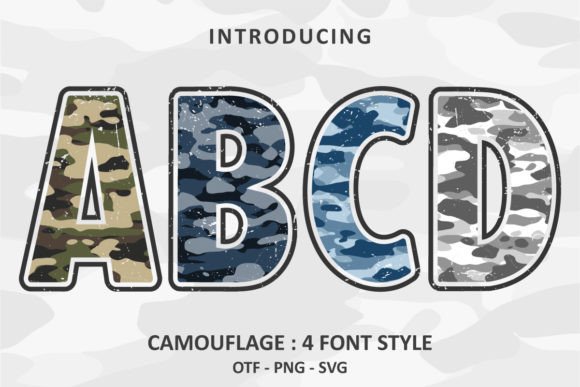
In the world of graphic design, few visual elements command attention quite like typography that carries inherent weight and history. When you need to convey strength, ruggedness, or a distinctively retro aesthetic, standard typefaces often fall short. This is where Camouflage steps in as a powerful tool for creators. It is not merely a font; it is a bold military camouflage typeface that boasts four distinctive patterns with numbers in a retro army style. These unique characteristics make your designs stand out as cool and original-looking color fonts, offering a level of visual intrigue that static black-and-white letters simply cannot match.
Whether you are designing for the apparel industry, creating posters for music festivals, or developing a corporate identity for a rugged outdoor brand, Camouflage provides the perfect blend of utility and artistic flair. Its versatility allows it to adapt seamlessly across various mediums, from digital screens to physical merchandise, ensuring your message is heard loud and clear.
Why Choose a Color Font?
The most striking feature of Camouflage is its ability to function as a color font. Unlike traditional monochrome typefaces that rely on shape alone to communicate, color fonts integrate texture and pattern directly into the letterforms. This means that every character comes pre-packaged with a camouflage pattern, eliminating the need for complex layering or masking techniques in your design software. The result is a cohesive, textured look that feels authentic and intentional.
This approach saves significant time in the production workflow while delivering a high-impact visual result. For designers looking to create logotypes, headlines, or brand identities, using a pre-textured font ensures consistency across all assets. It removes the guesswork involved in applying textures manually, allowing you to focus on layout, hierarchy, and overall composition. The retro army style adds a layer of nostalgia and toughness, making it an excellent choice for projects that aim to evoke feelings of resilience, adventure, or vintage military heritage.
Versatile Applications Across Industries
One of the greatest strengths of Camouflage is its adaptability. While the name suggests a specific niche, its applications extend far beyond tactical gear. Here is how different professionals can leverage this typeface for maximum effect:
- Apparel Industry: For streetwear brands or outdoor clothing lines, Camouflage offers instant visual appeal. Use it for bold back prints on t-shirts, caps, or hoodies. The four distinct patterns allow for variety within a single collection, keeping the design fresh and dynamic.
- Music and Entertainment: In the realms of movies, games, magazines, books, comics, and cartoons, typography sets the tone. A game title screen featuring Camouflage immediately signals action, strategy, or survival themes. Similarly, album covers for rock, hip-hop, or electronic music can use the font to project energy and edge.
- Corporate and Brand Identity: While perhaps unconventional for a law firm, Camouflage is ideal for brands in construction, logistics, automotive, or fitness sectors. It communicates durability and reliability. When used for logotypes, ensure the background contrasts sufficiently with the pattern to maintain readability.
- Print Media: Posters, flyers, and magazine spreads benefit from the eye-catching nature of color fonts. The intricate patterns draw the viewer’s eye, making them effective for event promotions, concert announcements, or special edition releases.
Technical Compatibility and Workflow Considerations
Before integrating Camouflage into your projects, it is crucial to understand the technical distinctions between its versions. This knowledge will prevent frustration and ensure your files render correctly across different platforms.
The Black Version vs. The Color Version
The font family typically offers two main variations: a solid black version and a color version. Each serves a different purpose and has specific compatibility requirements.
The black version is versatile and compatible with Cricut Design Space and other cutting machines. If you are a hobbyist, small business owner, or educator looking to create physical cutouts, decals, or stencils, this is the file format you need. It behaves like a standard vector font, allowing cutting machines to trace the outlines accurately without getting confused by embedded colors.
Conversely, the color version is designed for digital and print design programs such as Adobe Photoshop, Illustrator, Silhouette Studio, and Inkscape. This version contains the embedded camouflage patterns within the glyphs. However, it is important to note that the OTF or TTF files of the color version are not compatible with Cricut or similar cutting machines. Attempting to use the color font in a cutting machine will likely result in errors or poor cuts because the machine cannot interpret the internal color data.
Best Practices for Implementation
To get the most out of Camouflage, follow these practical guidelines:
- Select the Right Software: Ensure you are working in a program that supports OpenType features and color fonts. Photoshop and Illustrator are industry standards for this, but free alternatives like Inkscape also provide robust support.
- Check Your Backgrounds: Because Camouflage is visually busy, background choice is critical. Avoid placing the font over other busy patterns or low-contrast images. Solid, neutral backgrounds (like white, black, or dark grey) often work best to let the font’s texture shine.
- Maintain Readability: While the font is bold, the intricate patterns can reduce legibility at very small sizes. Use Camouflage for headlines, titles, and large display text rather than body copy. Keep paragraphs clean and simple to balance the visual noise of the typography.
- Consult the Guide: For detailed instructions on installation, licensing, and troubleshooting, refer to the Ultimate Font Guide provided by the font creator. This resource can help you navigate any technical hurdles you might encounter.
Creative Inspiration and Project Ideas
Looking for inspiration? Here are a few ways to push the boundaries of what Camouflage can do:
Hybrid Typography: Combine Camouflage with a sleek, minimalist sans-serif font. Use Camouflage for the main headline to grab attention, and pair it with a clean secondary font for details. This contrast creates a sophisticated look that balances ruggedness with modernity.
Texture Overlay: Even if you have access to the color version, try overlaying a subtle grain or noise texture on top of the text in Photoshop. This can enhance the "worn" or "vintage" feel, adding depth and realism to your design.
Custom Color Palettes: While the default camouflage patterns are classic, some design programs allow you to recolor the font layers. Experiment with non-traditional color schemes—such as neon camo for a cyberpunk aesthetic or pastel camo for a playful take—to give the font a completely new personality.
Merchandise Mockups: Visualize your designs in real-world contexts. Create mockups of Camouflage text printed on denim jackets, canvas tote bags, or metal signs. Seeing the font in context helps you evaluate its impact and makes it easier to pitch ideas to clients or customers.
Conclusion
Camouflage is more than just a typeface; it is a statement. By combining bold military aesthetics with innovative color font technology, it offers designers a unique way to add texture, attitude, and originality to their work. Whether you are a seasoned professional refining a brand identity or a hobbyist crafting custom gifts, understanding how to use Camouflage effectively can elevate your projects from ordinary to extraordinary. Embrace its retro army style, respect its technical limitations, and let your creativity run wild. Add it confidently to your projects, and you will love the results.